When it comes to vehicle suspension, springs and shock absorbers are often discussed as separate components. However, they work as a single dynamic system, and mismatching them can negatively affect ride comfort, handling, and safety. The way springs support the weight of the vehicle and how shock absorbers control motion must be carefully balanced. In this article, we’ll explore why matching springs to shock absorber valving is essential, how to choose the right combination, and what happens when this balance is ignored.
If you’re upgrading or replacing suspension parts, you can Buy Springs & Components online from reputable sources to ensure the right fit for your needs.
How Springs and Shock Absorbers Work Together
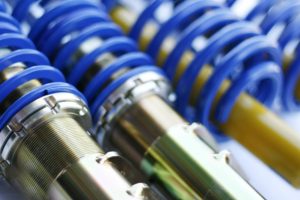
At a basic level, springs and shock absorbers perform different functions:
-
Springs support the weight of the vehicle and absorb vertical impacts.
-
Shock absorbers (dampers) control the speed and movement (rebound and compression) of those springs.
Together, they ensure that the tires stay in contact with the road and that the vehicle remains stable, comfortable, and safe.
If either component is poorly matched, the system may:
-
Oscillate excessively
-
Feel too stiff or too soft
-
Wear out prematurely
-
Reduce tire contact with the road
This makes the integration of springs and shock absorbers more important than simply choosing high-quality parts.
What Is Shock Absorber Valving?
Shock absorber valving refers to the internal design that controls the flow of hydraulic fluid through the damper. This flow determines how the shock responds to compression (bump) and rebound (extension).
Important valving characteristics:
-
Compression damping — resistance when the suspension compresses.
-
Rebound damping — resistance when the suspension extends.
-
Valve stiffness — how reactive the damper is to movement.
-
Piston size and shim stack — internal elements that define damping feel.
The valving must be calibrated to match the spring rate (stiffness) for the suspension to perform as intended.
Why Matching Matters
1. Balanced Suspension Dynamics
A mismatch can lead to:
-
Soft springs with firm damping — results in harsh ride quality and jerky motion.
-
Firm springs with soft damping — leads to uncontrolled oscillations and poor handling.
Only paired tuning ensures that each bump and dip is absorbed smoothly and safely.
2. Tire Contact and Grip
The primary objective of the suspension is to maintain tire-road contact. If the spring and shock absorber are not balanced:
-
Tires may lose contact over uneven surfaces.
-
Steering feel and braking distances can worsen.
3. Ride Comfort
Drivers often focus on spring stiffness, but comfort arises from how motion is controlled. The right shock absorber valving can:
-
Soften unwanted motion
-
Prevent harsh rebound impacts
-
Maintain a smooth ride at speed
Matching Spring Rates to Shock Valving
Below is a simplified guide indicating how spring stiffness interacts with valving recommendations.
| Spring Rate (lb/in) | Expected Use | Recommended Valving Characteristic |
|---|---|---|
| Soft (<200 lb/in) | Daily city driving | Softer rebound, mild compression |
| Medium (200–350 lb/in) | Mixed driving | Balanced compression & rebound |
| Firm (>350 lb/in) | Sport/track use | Higher damping, firm rebound |
| Progressive rate | Variable conditions | Adaptive or tuned valving |
Things to Consider When Matching Springs and Valving
Vehicle Type
-
Passenger cars: prioritize comfort and moderate handling
-
SUVs and trucks: extra damping for heavier loads
-
Performance cars: firm springs with aggressive damping
Driving Style
-
Comfort-focused: softer springs with complimentary shock valving
-
Sporty driving: stiffer springs with high-performance valving
-
Off-road: progressive springs with adjustable or firm compression control
Signs of Poor Matching
When springs and shock absorbers aren’t properly matched, the following symptoms can appear:
Ride Quality Issues
-
Bottoming out over bumps
-
Harsh rebounds
-
Excessive body roll
Handling Problems
-
Nose dive under braking
-
Squatting during acceleration
-
Unpredictable cornering behavior
Wear and Tear
-
Premature tire wear
-
Shock absorber overheating
-
Spring sag or breakage
How to Properly Match Springs and Shock Valving
Here’s a step-by-step process you can follow:
-
Determine spring rate required for vehicle weight and purpose.
-
Check shock specifications that list recommended spring rates.
-
Choose shocks with valving tuned for those spring rates.
-
Consider adjustable shocks if vehicle use varies (street to track).
-
Test and adjust based on feedback and feel.
Suspension Tuning in Practice
A tuned suspension system considers many variables:
| Component | Role |
|---|---|
| Springs | Support load, absorb vertical motion |
| Shocks | Control motion speed, reduce oscillations |
| Anti-roll bars | Reduce body roll in turns |
| Tires | Provide grip and absorb minor vibrations |
All these must work together, but springs and shock absorbers are the core foundation.
When to Replace Springs or Shock Absorbers
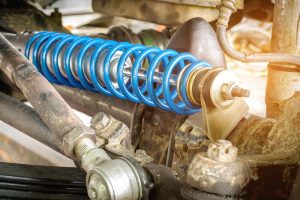
You should inspect your suspension if you notice:
-
Visible leaks on shocks
-
Sagging lines on one side
-
Noisy suspension during operation
-
Poor handling over bumps or corners
Replacing mismatched springs or worn shock absorbers with properly tuned components can significantly improve performance and safety.
When upgrading, it’s smart to Buy Springs & Components online to ensure compatibility and quality for your specific vehicle.
Conclusion
The importance of matching springs to shock absorber valving cannot be overstated. These two elements form the core of your vehicle’s suspension behavior. Mismatched components lead to poor ride quality, compromised handling, and increased wear on various suspension parts. In contrast, a well-matched system delivers improved comfort, better grip, and safer driving dynamics.
Whether you’re building a performance-focused setup or aiming to optimize daily comfort, paying attention to spring rates and shock absorber valving is crucial. By understanding how they interact and choosing components that work in harmony, you’ll enjoy a smoother, safer, and more responsive driving experience.
If you’re considering suspension upgrades or replacements, make sure to Buy Springs & Components online to find high-quality options that meet both your performance needs and vehicle specifications.