Modern vehicles are no longer relying solely on traditional mechanical components to deliver comfort and safety. One of the most significant innovations in suspension technology is the development of active and adaptive springs. These systems go far beyond conventional coil springs, dynamically adjusting to driving conditions, vehicle load, and road surfaces. Understanding how active and adaptive springs work helps drivers appreciate their role in ride comfort, handling, and overall vehicle performance.
What Are Suspension Springs and Why They Matter
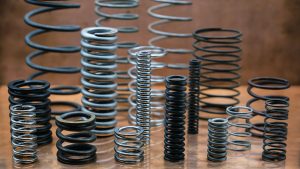
Springs are a core part of any suspension system. Their primary job is to support the vehicle’s weight, absorb road irregularities, and keep the tires in contact with the road. Traditional coil springs have a fixed spring rate, meaning their stiffness does not change regardless of driving conditions.
While conventional springs are reliable and cost-effective, they represent a compromise between comfort and control. This limitation led to the development of adaptive and active spring technologies.
What Are Adaptive Springs?
Adaptive springs are suspension components designed to change their behavior based on driving conditions, but without fully independent electronic force generation.
How Adaptive Springs Work
Adaptive systems typically rely on:
-
Variable-rate springs
-
Electronically controlled dampers working together with springs
-
Sensors that monitor speed, steering angle, and road conditions
The spring itself may not change shape, but its effective stiffness can vary depending on how the system manages compression and rebound.
Key Benefits of Adaptive Springs
-
Improved ride comfort on uneven roads
-
Better handling during cornering
-
Reduced body roll and pitch
-
Automatic adjustment to vehicle load
What Are Active Springs?
Active springs take suspension technology a step further. Unlike adaptive systems, active suspension components can actively generate forces using electric, hydraulic, or pneumatic actuators.
How Active Springs Work
Active spring systems use:
-
Sensors to detect road input and vehicle motion
-
A control unit that processes data in real time
-
Actuators that actively adjust spring force
Instead of merely reacting to bumps, active systems anticipate and counteract body movements.
Key Advantages of Active Springs
-
Exceptional ride comfort
-
Near-elimination of body roll
-
Enhanced stability at high speeds
-
Precise control over vehicle dynamics
Active vs Adaptive Springs: Key Differences
| Feature | Adaptive Springs | Active Springs |
|---|---|---|
| Force generation | Passive or semi-active | Fully active |
| Energy input | Minimal | High |
| Ride comfort | Very good | Excellent |
| Body roll control | Improved | Near-zero |
| System complexity | Moderate | High |
| Cost | Lower | Higher |
Types of Active and Adaptive Spring Technologies
1. Variable-Rate Coil Springs
-
Progressive or dual-rate designs
-
Softer response on small bumps
-
Stiffer behavior under heavy loads
2. Air Springs
-
Use compressed air instead of steel coils
-
Adjustable ride height
-
Often part of adaptive or active systems
3. Hydraulic Active Springs
-
High-pressure fluid adjusts stiffness
-
Excellent for luxury and performance vehicles
4. Electromechanical Active Springs
-
Electric motors control spring force
-
Fast response times
-
Increasingly common in premium vehicles
Why Modern Vehicles Use These Systems
Active and adaptive springs are not just about comfort. They directly impact:
-
Vehicle safety
-
Tire wear consistency
-
Braking stability
-
Steering precision
These systems are especially valuable in vehicles with variable loads, such as SUVs, electric vehicles with heavy batteries, and performance-oriented models.
Signs Your Suspension Springs Need Attention
Regardless of technology, worn or failing springs can cause noticeable issues:
-
Vehicle sagging on one side
-
Excessive bouncing
-
Uneven tire wear
-
Reduced ride comfort
-
Increased body roll
Regular inspection is crucial, especially for vehicles equipped with advanced suspension systems.
Maintenance Considerations
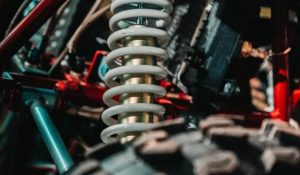
Active and adaptive springs require more attention than traditional coil springs:
-
Sensors must be kept clean and functional
-
Control units need proper calibration
-
Leaks in air or hydraulic systems should be addressed immediately
When replacement is necessary, always choose components that meet manufacturer specifications. For a wide range of high-quality options, you can Buy Springs & Components online to ensure compatibility and reliability.
Conclusion
Active and adaptive springs represent a major leap forward in suspension technology. By automatically adjusting to road conditions, vehicle load, and driving style, they deliver a superior balance of comfort, handling, and safety compared to traditional coil springs. While adaptive systems refine suspension response, active springs actively control vehicle movement in real time.
As vehicles continue to evolve, especially with the rise of electric and autonomous cars, these advanced spring systems will become increasingly common. Whether you are maintaining a modern vehicle or upgrading suspension components, understanding how these systems work helps you make informed decisions. Choosing the right springs and maintaining them properly ensures optimal performance, longevity, and driving confidence in every situation.